A detergent pack can look glossy and still leak, admit humidity or fail at the sealing jaws. By comparing the film layers, barrier specifications, sealing window and Pune distribution conditions, you can choose a structure that matches the formula, pack size and required shelf life.
Key takeaways
- Plain BOPP is usually a substrate, not a complete detergent-pouch structure.
- Choose laminated film when sealing, moisture barrier and chemical resistance matter.
- Test seal strength, leakage, scuffing and moisture exposure before approval.
- Give your Pune supplier formula, pack size, filling method and distribution conditions.
What plain BOPP does in a detergent pack—and where it stops
A single unlaminated BOPP web is usually a substrate, not a complete detergent-pouch structure. In plain BOPP film versus laminated film for detergent packaging in Pune, the right choice depends on whether you need visibility and simple handling or dependable sealing, moisture protection and ingredient resistance.
| Property | Plain BOPP web | Laminated film |
|---|---|---|
| Stiffness and handling | Good stiffness, smooth running and easy web handling | Greater combined stiffness; structure can be tuned for the machine |
| Gloss and print appearance | High gloss and clean graphics; transparent packs show the powder | Strong outer appearance, with opaque, metallized or foil options |
| Transparency and opacity | Transparent unless coated or printed; gives product visibility but little light screening | Can remain clear or add opacity and light protection |
| Puncture and tear behaviour | Limited protection against sharp granules, folds and concentrated impacts | Different layers improve puncture resistance, though a stiff structure can tear abruptly once damaged |
| Heat sealing | Not automatically dependable; non-sealable BOPP can leak or wrinkle on pouch equipment | PE, CPP or a sealable BOPP layer supplies the seal |
| Barrier and compatibility | Does not automatically provide strong water-vapour protection, odour control or resistance to aggressive detergent ingredients | Adds barrier and separates the printed outer layer from the product-contact sealant |
Use plain BOPP for transparent packs, overwraps or lower-barrier applications. For powder exposed to humidity, fragrance loss, caking or abrasive particles, add a sealant and barrier layer.
Compare quotations by complete structure, basis weight and usable yield per kilogram, not microns alone: laminates add converting steps, material use and recycling difficulty when different polymers are bonded.
Which layer prints, protects and seals the detergent pouch
The outside layer prints and protects; the inside layer seals. A common detergent pouch uses printed BOPP or PET outside, an adhesive or tie layer in the middle, and PE or CPP against the product.
| Layer | Main job | What can go wrong |
|---|---|---|
| Printed BOPP | Gloss, printability, stiffness and handling | Standard BOPP is not reliably heat-sealable |
| PET | Dimensional stability and a strong print surface | Poor structure selection can still produce weak seals |
| Metallized BOPP | Light screening and added moisture protection | Scratches or gaps in the metal coating reduce protection |
| Adhesive or tie layer | Bonds unlike films into one structure | Inadequate curing can cause delamination |
| PE or CPP | Heat sealing and tolerance of detergent dust | Wrong grade can give low hot tack or leaking seals |
A laminated film separates functions: BOPP or PET supplies appearance and stiffness, while PE or CPP forms the seal. A coextruded or coated heat-sealable BOPP grade can seal by itself, but standard non-sealable BOPP can wrinkle, split or leak on form-fill-seal equipment. Gloss does not prove machine compatibility.
Before choosing a bopp film or laminated film, request:
- Seal-initiation temperature and hot-tack strength
- Seal-through-contamination performance with detergent powder
- Coefficient of friction and web thickness tolerance
- Recommended sealing window and maximum line speed
Run the intended pouch dimensions, detergent and machine settings in a production trial; a film name alone cannot predict tracking, sealing or leak performance.
How detergent formula and barrier requirements change the choice
Choose the structure by the failure you need to prevent. Powder leakage and dust in the seal area demand a tolerant, heat-sealable inner layer; moisture pickup and caking demand stronger vapour resistance. Fragrance loss, surfactant or builder compatibility, granular abrasion and seal creep require product-specific trials, not a film name alone.
| Option | Main advantage | Limitation and suitable use |
|---|---|---|
| Transparent plain BOPP | Visibility, simple graphics and lower material use | Lower barrier and unreliable sealing unless it is a heat-sealable grade; suitable for lower-barrier packs |
| Transparent BOPP/PE or BOPP/CPP | Reliable sealant layer and better shelf-life protection | Less simple to recycle; suitable when seal integrity and moisture control matter |
| Metallized BOPP laminate | Light screening and improved moisture protection | Not equivalent to foil if metallization is damaged or discontinuous |
| Aluminium-foil laminate | Strongest practical barrier against moisture, light and odour loss | Higher cost and thickness; pinholes and creases can weaken protection |
Plain BOPP film for detergents in Pune can suit a visible, lower-barrier pack, but a transparent laminate is more dependable when monsoon humidity, dust contamination or longer shelf life matters. Foil becomes justified when fragrance or moisture sensitivity is severe, despite its handling risks.
Request WVTR in g/m²/day under ASTM F1249, or a documented equivalent, and OTR in cm³/m²/day under ASTM D3985 when oxygen protection matters. Record temperature, relative humidity, units and the exact construction: no barrier number is universal without those conditions.
What to test before approving a film for Pune distribution
A production trial is the proof that plain BOPP packaging film or a laminate will run on your machine and survive distribution. Use the intended detergent, pouch dimensions, filling speed, sealing jaws, seal pressure and machine settings; a laboratory certificate cannot reproduce detergent dust, actual pressure or adhesive-curing conditions.
1. Run the film at the planned line speed and record jaw temperature, dwell time, pressure, web tracking and seal-initiation temperature. Change one setting at a time so you can separate low temperature, short dwell, excessive speed, poor tracking and insufficient pressure from a film defect.
2. Measure seal strength and failure mode under ASTM F88/F88M. Do not approve a pack because the seal looks continuous; record whether it peels, tears the film, splits at the interface or fails through contamination.
3. Fill packs with production powder, deliberately inspect seals exposed to dust, then perform leak testing. A good sealant cannot rescue poor powder control, and nominal film thickness does not explain every leak.
4. Test filled packs after high-humidity storage, stacked-carton or transport simulation and drop testing. Include Pune’s southwest-monsoon conditions and western-India distribution; humidity can cause caking, seal creep and loss of free-flowing powder after a dry-room trial.
5. Request reports for coefficient of friction, haze, print-treatment level, thickness tolerance, adhesive-curing requirements, WVTR and OTR. Check WVTR against ASTM F1249 and OTR against ASTM D3985, with temperature, relative humidity, units and film construction stated. Approve the structure only after the production trial passes your leak, seal and handling limits.
How to brief a Pune packaging supplier and make the final decision
Send a usable brief to a detergent packaging film manufacturer in Pune before asking for samples or quotations. State the detergent form, particle-size range, fragrance, moisture sensitivity, aggressive ingredients, target shelf life, pouch dimensions, filled weight, carton configuration, distribution route and whether the pack must show the product.
Define performance targets before choosing transparent, metallized or foil construction: WVTR, OTR, opacity, seal strength and puncture resistance. Then compare structures on the same basis.
| Option | Choose it when | Main caution |
|---|---|---|
| Transparent BOPP laminate | Product visibility and moderate barrier matter | Plain BOPP alone may not seal reliably |
| Metallized BOPP laminate | Light screening and improved moisture protection are needed | Damaged or discontinuous metal reduces performance |
| Foil laminate | Maximum barrier and fragrance retention are required | Creases, pinholes, cost and recycling complexity need control |
Ask for the full layer sequence, every layer’s thickness, adhesive type, sealant grade, print side, corona treatment, coefficient of friction, recommended sealing window and documented test conditions. Request seal-initiation temperature, hot-tack strength, seal-through-contamination data, thickness tolerance and maximum machine speed.
Run the actual detergent on the intended form-fill-seal machine with production pouch dimensions, filling speed, sealing jaws and settings. Agree acceptance limits for leaks, seal strength, print rub, delamination and filled-pack drops.
Arihant Polymoulds And Polymers Pvt Ltd can be considered for comparing plain BOPP, printed structures, laminated rolls and foil laminates. Judge the tested construction and trial results before price per kilogram.
Related products
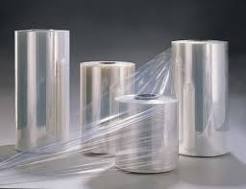 | Plain BOPP Film What is Plain BOPP Film? BOPP stands for Biaxially Oriented Polypropylene It is a transparent, strong, and glossy plastic film Widely used in... View product → |
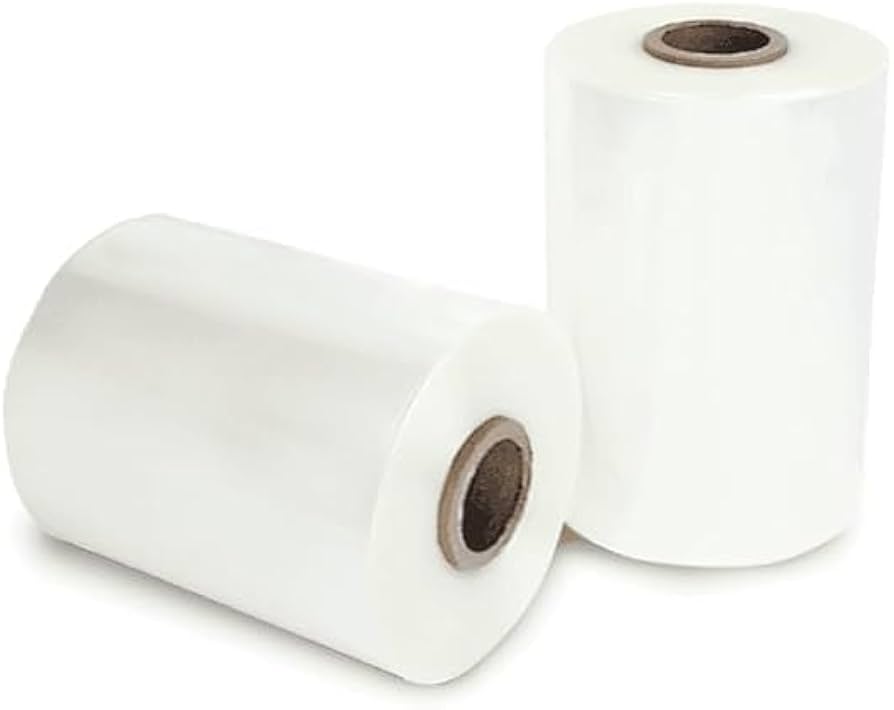 | Packaging Film and Roll Providing you the best range of bop lamination film, plain bopp film, color metallized polyester film, multilayer laminated film rolls, laminated... View product → |
Frequently asked questions
Is plain BOPP film suitable for detergent packaging?
Plain BOPP can provide a printable, clear or glossy outer web, but it is usually not a complete pouch structure. Add a compatible sealing layer when the pack needs heat sealing and dependable containment.
Which film layer prints, protects and seals a detergent pouch?
The print web carries graphics, the outer layer protects the print and pack, and the sealant layer forms the heat-sealed closure. In a laminate, each layer is selected for a specific function.
When should you choose laminated film for detergent packaging?
Choose laminated film when the detergent needs stronger moisture protection, chemical resistance, seal reliability or protection from handling damage during distribution.
What tests should you run before approving detergent packaging film in Pune?
Test seal strength, seal integrity, leakage, film appearance, scuff resistance and moisture exposure. Run trials using the actual detergent formula, filling temperature, machine settings and transport conditions.
What information should you give a Pune packaging film supplier?
Provide the detergent type, formulation, pack dimensions, target fill weight, sealing equipment, filling speed, artwork requirements, storage conditions and Pune distribution route.
Related product
 | Multilayer Laminated Film Rolls Multilayer Laminated Film Rolls Multilayer Laminated Film Roll Images Here’s how these rolls typically look in real applications: Transparent laminated rolls Printed pouch roll... View product → |