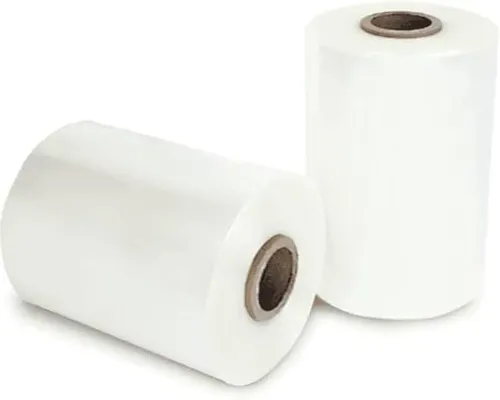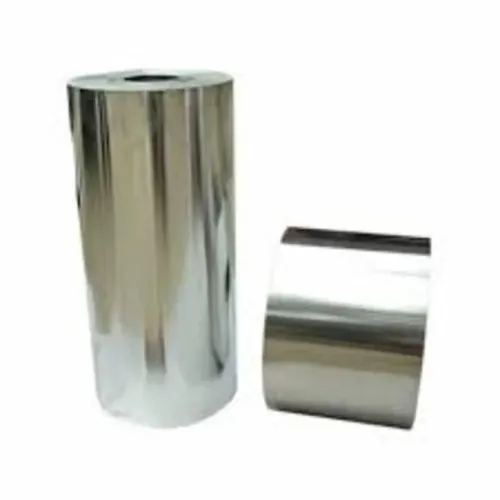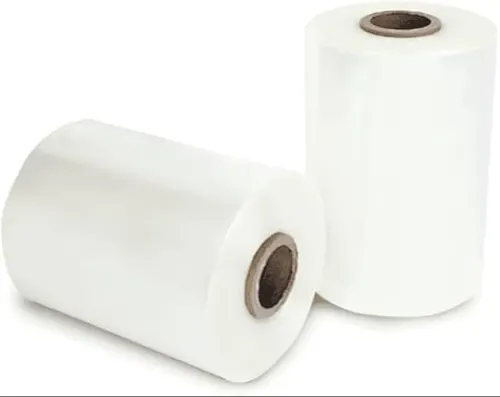
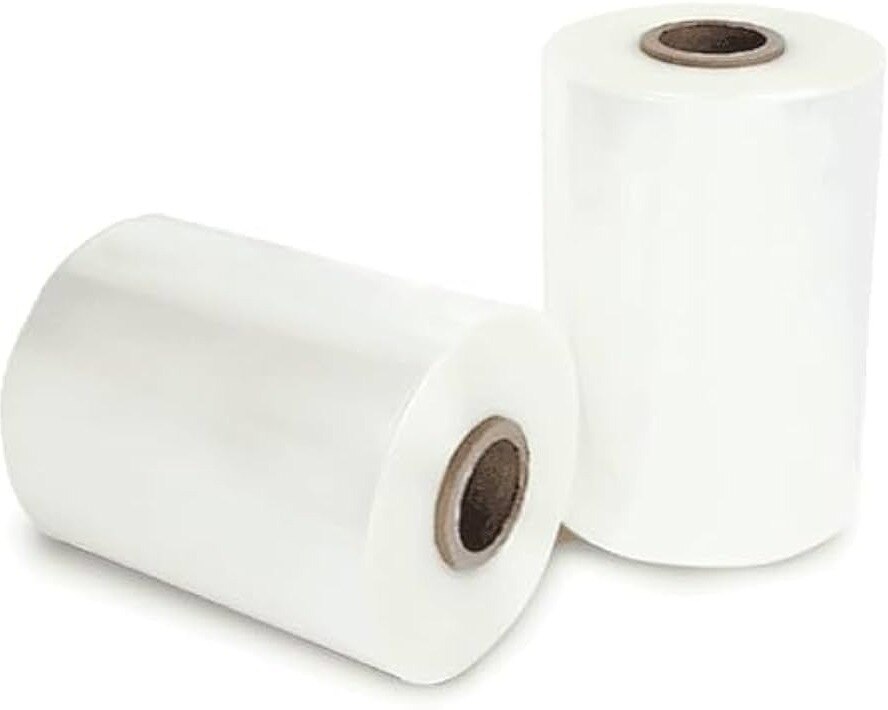
A pharmaceutical film roll earns its place by preserving a medicine’s required protection from moisture, oxygen, light, contamination and handling damage—not by looking finished on the shelf. By the end, you will be able to match a dosage form to a film structure, interpret barrier and seal data, specify a machine-ready roll and qualify a supplier for Pune’s storage and transport conditions.
Key takeaways
- Match barrier performance to moisture, oxygen, light and aroma sensitivity.
- Check seal temperature, coefficient of friction and machine compatibility before approval.
- Request migration, seal-strength, leak, and stability test records.
- Compare total cost using material yield, downtime, rejects and shelf-life risk.
Which pharmaceutical products benefit from packaging film rolls?
Tablets, capsules, powders, granules, diagnostic kits and small medical devices suit film-roll packaging when the filling line needs a formed sachet, strip, pouch or sealed overwrap. The correct packaging film roll for medicines in Pune must preserve the product’s required shelf life, not merely display its branding.
| Product | Suitable format | Protection required |
|---|---|---|
| Tablets and capsules | Strip, sachet or pouch | Moisture, oxygen, light, contamination and crushing |
| Powders and granules | Sachet or stick pack | Moisture, aroma transfer, oxygen and seal leakage |
| Diagnostic kits | Pouch or foil sachet | Humidity, light, contamination and mechanical damage |
| Small medical devices | Sterile or protective pouch | Dust, moisture, puncture and loss of seal integrity |
The phrase packaging film roll for benefits pharmaceutical in pune should mean controlled protection. Select a high-barrier laminate when moisture or oxygen threatens stability; aluminium foil gives near-total light protection when intact, while metallised polyester is lighter but can contain pinholes.
Require WVTR, OTR, light-transmission, seal-strength and package-integrity results with the test method, temperature and relative humidity. A strong film still fails if seals are contaminated, weak or poorly formed.
How should you compare barrier structures for a medicine?
Compare the medicine’s required moisture, oxygen, light and aroma protection with the film’s measured WVTR and OTR, not with its name alone. A protective pharmaceutical packaging film must also seal without channels, resist pinholes and run reliably on the filling line.
| Option | Moisture | Oxygen, light and aroma | Practical trade-off |
|---|---|---|---|
| BOPP | Moderate moisture barrier | Limited oxygen and aroma barrier; blocks little light | Good stiffness and print surface, but needs a barrier layer |
| PET | Moderate moisture barrier | Better oxygen and aroma barrier than BOPP; poor light barrier | Strong, dimensionally stable and suitable as an outer layer |
| Polyethylene | Strong moisture barrier | Weak oxygen barrier; useful aroma performance depends on grade and thickness | Flexible product-contact and seal layer |
| Cast polypropylene | Good moisture resistance | Limited oxygen and light barrier; aroma protection depends on grade | Heat-seals well and tolerates higher sealing temperatures |
| Metallised polyester | High moisture and oxygen barrier; reduces light | Good aroma protection, but pinholes and flexing can reduce performance | Lighter than foil, with less dependable light barrier |
| Aluminium foil | Very high barrier to moisture, oxygen, light and aroma when intact | Near-total light barrier | Strong protection, but stiffness, forming demands and pinhole risk increase |
| Multilayer structure | Tunable through combined layers | Can match a moisture-, oxygen-, light- or aroma-sensitive product | Best balance, but each interface and seal adds failure points |
Specify WVTR, OTR, light transmission, seal strength and integrity results with temperature and relative humidity. Use stability-indicating data and real-time storage evidence; accelerated ageing alone cannot validate the chosen pharmaceutical packaging film.
Which film layer and seal system will run reliably?
Select the structure as part of the filling machine, not as standalone “printed film.” Match the outer print layer to registration and abrasion needs, the barrier to moisture, oxygen and light sensitivity, and the inner layer to product compatibility and sealing temperature. A strong barrier still fails when powder contaminates the seal.
| Format | Print and barrier | Product-contact and seal |
|---|---|---|
| Blister lidding | Reverse-printed PET or foil; confirm cavity registration | Heat-seal lacquer matched to the blister base web |
| Strip pack | Printed foil or PET/foil laminate | Sealant coating or polyethylene designed for four-edge seals |
| Sachet | Printed PET or BOPP over foil or metallised film | Polyethylene or cast polypropylene for powder-tolerant sealing |
| Pouch | Printed PET/BOPP with the barrier required by the dose | Polyethylene or cast polypropylene selected for seal strength and stiffness |
Specify the complete roll, including:
- Web width, repeat length, unwind direction, core size, outer diameter and splice policy.
- Seal temperature, dwell time, pressure and jaw design; demand machine-trial results at planned speed.
- Ink and adhesive declarations, laminate cure status, migration or extractables evidence, and controls against blocking, delamination, telescoping and edge damage.
A supplier should identify whether the inner layer is polyethylene, cast polypropylene, foil lacquer or another validated sealant—not merely call it “pharma grade.”
What tests and roll specifications prove the film will protect the product?
Require numbers tied to a test method, temperature and relative humidity; a bare “high barrier” claim is not approval evidence. WVTR and OTR results from different conditions cannot be compared.
| Test | Require | Failure exposed |
|---|---|---|
| Water vapour | WVTR by ASTM F1249 or ISO 15106-2, at stated temperature and RH | Moisture uptake |
| Oxygen and light | OTR by ASTM D3985; total light transmission by ASTM D1003, with wavelength range stated | Oxidation or photodegradation |
| Seal performance | ASTM F88/F88M seal strength, plus a seal-window study covering temperature, pressure and dwell time | Weak, burnt or contaminated seals |
| Pack integrity | Dye penetration ASTM F1929, bubble emission ASTM F2096 or vacuum decay ASTM F2338 on finished packs | Channel leaks and pinholes |
| Handling | Roll telescoping, blocking, edge damage, abrasion, delamination and splice inspection after packing and transport simulation | Damage between slitting and distribution |
| Converting | Web width, thickness, repeat length, registration, unwind direction, core and roll diameter, splice policy and laminate cure status | Line stoppages and misregistration |
Ask for results on the actual structure and finished pack, not only a resin datasheet. Confirm seal creep under load and inspect samples after cartoning; excellent WVTR cannot rescue an underheated seal. Release the roll only when its certificate identifies the batch, test conditions and retained sample.
How do you qualify a pharma packaging roll supplier in Pune?
Do not qualify a pharma packaging roll supplier in Pune on film price or quoted barrier values alone. Request evidence that each roll protects the medicine from moisture, oxygen, light, contamination and mechanical damage through storage and distribution.
Ask for these records:
- ISO 15378-based quality-system scope, current manufacturing-site details and product specifications
- A certificate of analysis showing roll identification, batch number, layer structure, thickness, width, seal strength and relevant barrier results
- Full batch traceability from resin, ink, adhesive and foil through slitting, inspection and dispatch
- Retained-sample procedure, sample storage period and a recent retained-sample test record
- Product-contact, ink, adhesive and curing declarations, plus migration or extractables evidence suited to your dosage form
- Printed-component controls covering artwork approval, version segregation, print registration, reconciliation and destruction of obsolete stock
- Change-control records showing notification, risk assessment, validation and customer approval before changes to resin, ink, adhesive, equipment or process
- A complaint investigation example with root cause, corrective action and effectiveness check
Inspect whether the supplier controls telescoping, blocking, edge damage, delamination, abrasion, seal creep, perforations and splices. Arihant Polymoulds And Polymers Pvt Ltd can be assessed against these same records when its rolls are considered for a line.
For Pune, request temperature and relative-humidity logs from warehouse, loading, route and receiving points, including monsoon journeys, direct-sun exposure and non-air-conditioned staging. Confirm the actual route and excursion limits, not merely a “room temperature” statement.
Related products
 | Packaging Film and Roll Providing you the best range of bop lamination film, plain bopp film, color metallized polyester film, multilayer laminated film rolls, laminated... View product → |
 | Multilayer Laminated Film Rolls Multilayer Laminated Film Rolls Multilayer Laminated Film Roll Images Here’s how these rolls typically look in real applications: Transparent laminated rolls Printed pouch roll... View product → |
How do you compare the total cost and stability risk of film options?
Choose the structure that produces the lowest cost per saleable pack, not the lowest price per kilogram. Compare both options against the same batch size, filling line and labelled storage conditions.
| Option | Evidence to compare | Cost or risk consequence |
|---|---|---|
| Lower-cost film | Stability-indicating assay and degradation data; WVTR, OTR, light transmission, seal strength and integrity results at stated temperature and relative humidity | Lower material cost can be erased by slower running, seal failures, pinholes, rejects, stoppages and disposal |
| Higher-barrier laminate | The same evidence, plus foil pinhole inspection, laminate-bond results, forming trials and seal-window data | Higher material and converting cost can reduce moisture or oxygen ingress, but stiffness, cracking, forming limits and changeover waste can increase cost |
Use accelerated stability data to screen structures, not to replace real-time stability at the claimed storage condition. Do not compare WVTR or OTR figures unless the test method, temperature and relative humidity match.
Calculate saleable-pack cost as material used, conversion, machine time, inspection, rejected-pack disposal and stability work divided by accepted packs. Select the higher-barrier structure when its reduced degradation and rejection cost outweigh its added film and machine cost.
Frequently asked questions
Which pharmaceutical products benefit from packaging film rolls?
Tablets, capsules, powders, granules, diagnostic kits and small medical devices can use film rolls for sachets, strips, pouches and overwraps when the structure supports the product and filling line.
How should you compare barrier structures for a medicine?
Match the laminate to the product’s sensitivity to water vapour, oxygen, light, aroma loss and contamination. Compare aluminium foil, metallised film and transparent barrier structures against the required shelf life and pack format.
Which film layer and seal system will run reliably?
Confirm the sealant layer, seal-initiation temperature, hot-tack strength, coefficient of friction and operating window on your machine. Test the exact laminate at production speed rather than approving film from a specification sheet alone.
What tests and roll specifications prove the film will protect the product?
Request barrier test results, seal strength, leak testing, dimensional checks, migration documentation, roll width, length, core size, winding direction, splice limits and batch traceability. Use accelerated and real-time stability studies to confirm shelf-life performance.
How do you qualify a pharma packaging roll supplier in Pune?
Check manufacturing controls, material traceability, change-control records, test capability, complaint handling, sample consistency and documentation. Ask for the supplier’s licence and quality records that apply to the packaging material supplied.
Related products
 | Laminated Pouches Whether you're looking to package gourmet coffee, organic snacks, or industrial detergents, printed laminated pouches are the gold standard for... View product → |
 | Plain BOPP Film What is Plain BOPP Film? BOPP stands for Biaxially Oriented Polypropylene It is a transparent, strong, and glossy plastic film Widely used in... View product → |
 | Laminated Aluminium Foil Roll Images (Typical appearance of laminated foil rolls used in packaging) Silver shiny foil rolls Printed laminated packaging rolls Aluminium + plastic... View product → |
 | Color Metallized Polyester Film Color Metallized Polyester Film Quick Details Material: Polyester (PET) with metallic aluminum coating Colors: Gold, Silver, Copper, Multicolor Finish: Shiny / reflective metallic... View product → |