A comparable quotation requires more than a film name or a promise of barrier performance. Define the laminate, machine conditions, test records, food-contact documents and delivered-roll tolerances before you compare Pune suppliers, then judge the result by usable pouches rather than rupees per kilogram.
Key takeaways
- Specify product hazards and laminate structure before requesting quotations.
- Match moisture, oxygen, light and chemical risks to barrier layers.
- Confirm roll width, core size, unwind direction and seal range.
- Compare usable output, not just the quoted price per kilogram.
Write a complete roll specification before requesting Pune quotations
A complete RFQ is the first purchasing control when you buy multilayer laminated film rolls in Pune. State the product’s exposure to moisture, oxygen, light, aroma, oil and chemicals, then specify the exact structure: PET/PE, PET/metallised PET/PE, PET/foil/PE or BOPP/CPP.
Include total thickness in microns, web width, roll length or target weight, core diameter, maximum outer diameter, winding direction, printing side, sealant layer, adhesive or extrusion-lamination process and splice policy.
1. Define measurable roll limits: width and gauge tolerances; machine-direction and cross-direction requirements for tensile strength, elongation, shrinkage, curl and tear; maximum telescoping; blocking limit; and roll-hardness range. State whether the film will be printed, slit, flexed, sterilised, retorted, frozen or hot-filled. These conditions change barrier, seal and handling performance.
2. Specify the machine interface: unwind direction, print repeat, eye-mark position, coefficient of friction, seal temperature, dwell time and forming dimensions. A PET/foil/PE roll that is not released after adequate adhesive cure can develop odour, blocking, tunnelling, delamination or seal contamination.
3. Put commercial comparability in writing: minimum order quantity, usable length, trim waste, start-up waste, splice count and construction, delivery release conditions, and minimum cure time or test-based release criterion. Ask suppliers to quote the same units and identify rejected or non-usable length; otherwise a cheaper kilogram price can conceal less saleable film.
Match each product hazard to the right laminate structure
PET supplies stiffness, dimensional stability and a clean print surface. BOPP adds appearance, toughness and machinability, while PE or CPP provides the heat-sealing layer. Aluminium foil gives strong light, gas and moisture protection; adhesive layers hold the construction together and determine bond strength after exposure to oil, heat or chemicals.
Match the hazard to the construction:
- Moisture-sensitive powders: use a moisture-resistant PE or CPP sealant with a tested barrier layer.
- Oxygen-sensitive snacks: specify a measured OTR, not the word “barrier.”
- Oily foods: choose polymers and adhesives that resist oil interaction; a weak bond can delaminate.
- Aroma products: use low-permeation layers and verify aroma retention.
- Aggressive detergents: select chemically compatible polymers and adhesives.
- Light-sensitive products: use metallised polyester or aluminium foil.
For multilayer laminated film rolls in Pune, request OTR under ASTM D3985 and WVTR under ASTM F1249, with test temperature, relative humidity and specimen conditioning. Barrier film rolls in Pune should be tested after the relevant printing, slitting, flexing or thermal process.
| Option | OTR/WVTR and protection | Sealing, handling and cost |
|---|---|---|
| Plain BOPP | Limited barrier; little light protection | Tough, attractive and machinable; low cost |
| Metallised polyester | Stronger oxygen, moisture and light barrier | Good puncture resistance; needs a sealant layer; moderate cost |
| Foil laminate | Strongest barrier when intact | Excellent light protection; creasing, pinholes and converting damage reduce performance; highest cost |
| Multilayer laminate | Tunable OTR, WVTR and light protection | Combines printability, puncture resistance and sealing; cost varies by structure |
Confirm that the roll will run on your pouch-making equipment
A laminated film roll is not a pre-made pouch: it must unwind, form, register and seal on your equipment. Before buying barrier film rolls in Pune, identify whether the line uses VFFS, HFFS or another form-fill-seal format, then match the roll to its forming and sealing geometry.
- Confirm forming dimensions, sealing-jaw design, jaw temperature and pressure, dwell time, cooling, target speed, unwind direction, web tension, roll hardness and maximum roll diameter.
- Match the print repeat and eye-mark position to the registration sensor. Request static and kinetic coefficient-of-friction values under ASTM D1894.
- Request machine-direction and cross-direction results for tensile strength, elongation, shrinkage, curl and tear. Directional differences affect tracking, pouch dimensions and opening behaviour.
- Ask for seal-initiation temperature, hot-tack strength and seal-through-contamination results. Nominal gauge alone cannot predict high-speed sealing; a high seal temperature can exceed the machine’s dwell or cooling capacity.
Run a production trial on the actual machine. Check tracking, registration, feeding, pouch dimensions, opening behaviour, seal strength and leak performance at the target speed.
Use ASTM F88/F88M for seal-strength testing, but do not treat seal strength as proof of leak-tightness. Pair it with a leak or burst test suited to the pack. Compare suppliers by total usable cost, including start-up waste, rejected pouches and machine stoppages—not only roll price.
Check print, lamination release and compliance records before approval
A good-looking roll is not approval evidence. Ask the multilayer film supplier in Pune to prove that the approved artwork, laminate construction and contact-use conditions can be reproduced lot after lot.
1. Lock the print record before ordering. Request a colour proof, artwork file specifications, cylinder or plate requirements, print repeat, registration tolerance, reverse-printing plan, ink system, ink adhesion, rub resistance, and odour or residual-solvent limits. Record whether inks, coatings and adhesives suit the product-contact conditions and the rules adopted in your market and category.
2. Set the lamination release gate. For solvent-based adhesive lamination, specify minimum cure time or a measurable release criterion before slitting and dispatch. Inspect for blocking, odour, tunnelling, delamination and seal contamination; a laminate that looks intact can still fail on a pouch machine.
3. Demand a certificate or test record for laminate bond strength, seal strength, coefficient of friction, thickness uniformity, GSM, OTR and WVTR. Each result must name its method, conditioning, test temperature or humidity where relevant, and machine or cross direction.
For food packaging in India, request a declaration of compliance under the Food Safety and Standards (Packaging) Regulations, 2018, the migration-test basis, intended food type, contact temperature and time, and restrictions for microwave use, retort, freezing or hot filling. “Food grade” alone proves nothing.
Arihant Polymoulds And Polymers Pvt Ltd can be assessed using this document-and-trial checklist, not sample appearance alone. Keep the approved proof, test reports and release criteria with the purchase specification.
Related products
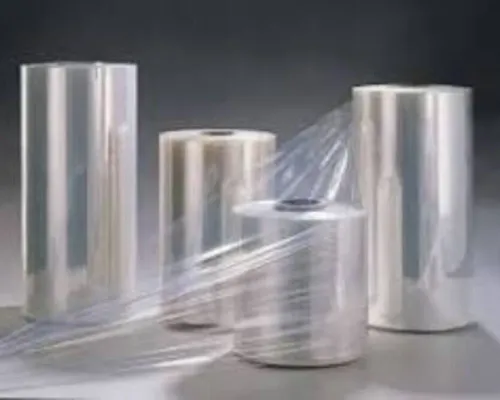
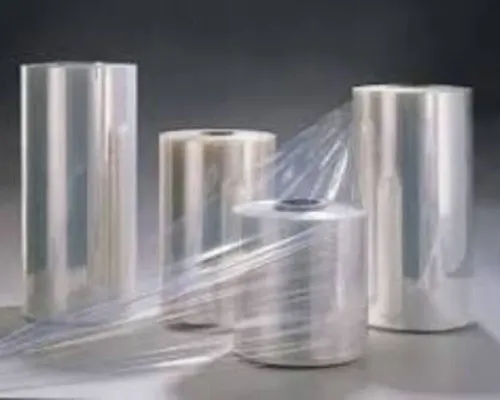
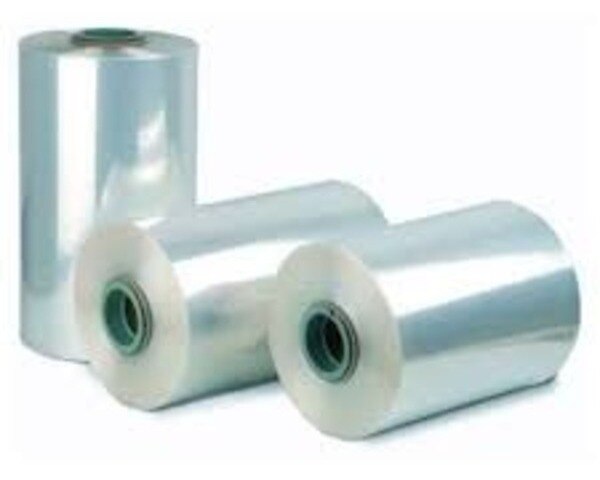
 | Multilayer Laminated Film Rolls Multilayer Laminated Film Rolls Multilayer Laminated Film Roll Images Here’s how these rolls typically look in real applications: Transparent laminated rolls Printed pouch roll... View product → |
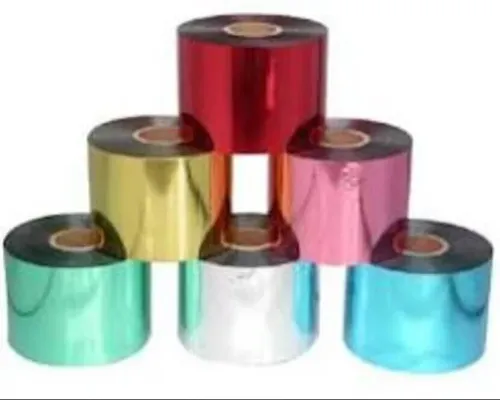
 | Packaging Film and Roll Providing you the best range of bop lamination film, plain bopp film, color metallized polyester film, multilayer laminated film rolls, laminated... View product → |
Compare Pune manufacturers by delivered performance and usable cost
Reject a roll that fails your written receiving limits, even if its sample looked good. Record winding, hardness, gauge profile, width, outer diameter, telescoping, blocking, splice count and construction, odour, bond strength and seal performance for every lot.
| Item | Suggested receiving limit |
|---|---|
| Winding and hardness | No loose edges; hardness within ±10% of approved master |
| Gauge and width | Gauge within ±5%; width within ±1 mm |
| Outer diameter and telescoping | OD within ±5 mm; telescoping no more than 2 mm |
| Blocking and odour | No blocking; no objectionable odour after stated cure |
| Splices | Maximum one per roll; flagged, full-width, secure and non-overlapping |
| Bond and seal | Bond and seal strength meet the approved structure’s test limits |
Set structure-specific bond and seal values before ordering; ASTM F88/F88M seal data does not prove leak-tightness. Ask whether barrier results apply before or after printing, lamination, slitting, flexing, retort, sterilisation or cold-chain exposure.
Compare the following, not rupees per kilogram alone:
- Cost per accepted pouch or square metre, using density, gauge, roll length and trim.
- Splice loss, start-up waste, rejection rate, machine speed and minimum order quantity.
- Shelf-life risk, storage life and the cost of stock that expires or loses performance.
Ask a multilayer film supplier in Pune for a pilot order and a documented corrective-action process for failed rolls. Evaluate a laminated film roll manufacturer near Pune on lot-to-lot repeatability, response time, change control and reproduction of the approved structure, colour and seal window.
Approve the supplier whose documented construction runs on your machine and delivers compliant, saleable packs at the lowest total usable cost.
Frequently asked questions
What should you include when requesting multilayer laminated film rolls in Pune?
State the product hazards, required laminate structure, roll width, thickness, roll length, core size, winding direction, print requirements and delivery location.
How do you choose the right laminate structure for a product?
Use PET/PE for general strength and sealing, metallised PET structures for light and oxygen barriers, foil laminates for high barrier protection, and BOPP/CPP when appearance and heat sealing suit the application.
How can you confirm that a film roll will run on your pouch-making machine?
Give the supplier your machine model, web width, film thickness, core diameter, maximum roll diameter, unwind direction, seal temperature range and forming requirements.
Which records should you check before approving a laminated film supplier?
Review print samples, lamination bond or release information, seal-test results, batch traceability, food-contact declarations when relevant and the supplier’s compliance documents.
How should you compare a laminated film roll manufacturer near Pune?
Compare delivered price, usable metres, roll consistency, start-up waste, seal performance, print registration, lead time and documented quality controls rather than price per kilogram alone.
Related product
 | Laminated Aluminium Foil Roll Images (Typical appearance of laminated foil rolls used in packaging) Silver shiny foil rolls Printed laminated packaging rolls Aluminium + plastic... View product → |